What is the Umana Technique?
The Umana Technique is an energy healing modality that uses ten usually dormant meridians in the body to activate the five higher chakras, 8 to 12, which sit above the physical body. It was founded by Kachina Ma'an in Australia and first taught in 2024. Sessions take 30 or 60 minutes, in person or remotely.
Umana at a glance
| Founder | Kachina Ma'an, also founder of the Pellowah Healing Technique |
|---|---|
| Where it began | Nayali Ayam's healing space in Surrey Hills, Melbourne |
| First taught | 2024, at the inaugural practitioner training in Melbourne |
| What it works with | Chakras 8 to 12, reached through ten meridians in the body |
| Meaning of "Umana" | An angelic word meaning "evolutionary breakthrough" |
| Session options | 30 minutes (chakras 8 and 9) or 60 minutes (chakras 8 to 12) |
| How sessions are given | Light touch in person, or remotely anywhere in the world |
| Learning it | One-day practitioner certification, no experience needed |
| Teaching it | Teacher training taught by Kachina Ma'an |
| Age | 16 and over |
What does Umana mean?
Umana is an angelic word meaning "evolutionary breakthrough". When Kachina first brought the technique through, she described it as evolutionary engineering: a way to help people expand their consciousness during a time of big change.
Who founded the Umana Technique?
Kachina Ma'an, a Queensland-based spiritual teacher who also founded the Pellowah Healing Technique in 2003. The first download for Umana came through at Nayali Ayam's healing space in Melbourne, and Kachina later returned to the same space to teach the first practitioner training in 2024. At the inaugural Umana teacher training, Nate Micó was the first student in the world to receive the Umana Teacher Attunement. Today Umana is taught by certified teachers around the world. Read more about Kachina Ma'an
How does it work?
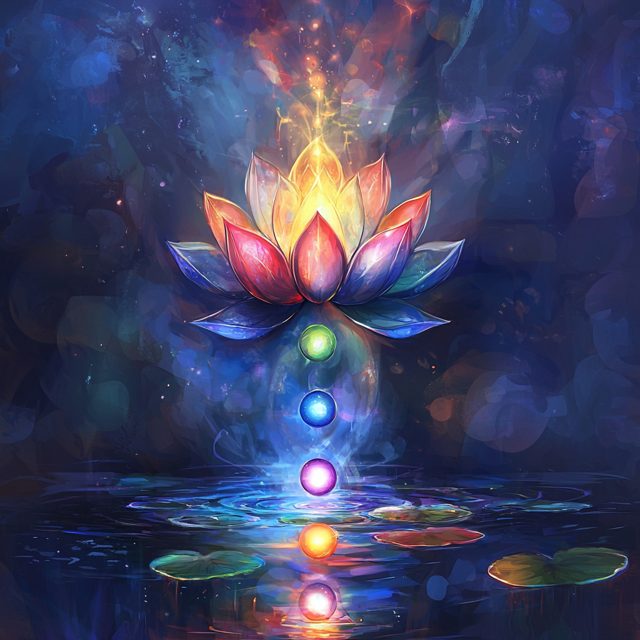
Chakras 8 to 12 sit above the body, so they can't be reached the way the seven body chakras are. Umana works through ten meridians in the body that are usually dormant. Once these are activated, they open and connect the higher chakras.
The practitioner follows a set sequence, so it is a true technique with clear steps. The person giving the session receives the energy too.
The five higher chakras
- 8thSpiritual perception, wisdom, intuition
- 9thInner peace and dormant gifts
- 10thBringing ideas to life, past-life skills
- 11thEnergetic growth and expanded ability
- 12thConnection with the divine and the bigger picture
What does a session feel like?
You stay fully clothed and lie or recline. Most people feel relaxed, and some notice warmth, tingling or lightness. Some fall asleep, which is fine. The bigger changes usually show up over the following days as more clarity, calm and energy.
Umana, Pellowah and Reiki
They work in different ways and sit well together. None is better than the others.
| Compare | Umana Technique | Pellowah | Reiki |
|---|---|---|---|
| Began | 2024, Australia | 2003, Australia | 1922, Japan |
| Founder | Kachina Ma'an | Kachina Ma'an | Mikao Usui |
| Works with | Chakras 8 to 12 via ten meridians | Consciousness, from the inner core out | The body's energy and the seven chakras |
| In a few words | Expands | Shifts perspective | Balances and calms |
Where can I find a Umana teacher?
Certified Umana Technique teachers and practitioners work all around the world. You'll find them listed at umana-technique-teachers.com. In Australia, Nayali Ayam teaches in Melbourne and Nate Micó in Sydney and Queensland.
Who is Umana for?
Anyone 16 or over who feels ready to grow. You don't need experience, a particular belief or special abilities. Many people come to Umana after Pellowah or Reiki, and many come to it first.
Can Umana be used on places?
Yes. Practitioners can send Umana to homes, gardens, workplaces and communities. It isn't used on pets, because animals have a different energy structure.
What Umana is not
Umana is a complementary practice. It doesn't diagnose or treat medical or mental health conditions, and it isn't a replacement for care from your doctor or health professional.
Try it for yourself
The best way to understand Umana is to feel it.